Johannesburg leak repairs
Roof Leak Repairs in Johannesburg
Roof leak repairs in Johannesburg begin with finding the entry point, which is seldom directly above the drip. We trace it, fix the failed part, and quote the work in writing.
From October to March, when the Highveld storms arrive, leak repairs are a frequent need.
Why Water Turns Up Far From Where It Got In
Picture the inside of a pitched roof. Water that slips past a cracked tile lands on the underlay, if there is one, and runs down it. Water that gets under a sheet clings to the underside and travels along the profile. Either way it follows the timbers until it reaches a low point, a nail or a joint, and only then drops onto the ceiling. The result is a stain that can sit well away from the real problem.
That is why the first job is detective work, not patching. From the roof, we look for broken tiles, open laps, lifted flashings and rusted fixings. From the ceiling hatch, where it is safe to get in, we follow tide marks on rafters and battens back uphill to their source.
Where Johannesburg Roofs Usually Let Water In
- Hail-cracked tiles, sometimes from a storm the previous season that only now has opened up.
- Ridge cappings where the mortar has shrunk and cracked.
- Valleys clogged with leaves or rusted through after decades of use.
- Junctions where an extension roof meets the original house, a common weak point on northern-suburbs homes that have been added to over the years.
- Parapet and wall flashings that were only ever held by sealant.
- Fixings and laps on IBR and corrugated sheeting.
- Gutters and box gutters that overflow back into the roof.
- Penetrations for geysers, vents, solar mounts and aerials.
Leaks Around Solar Panel Mounts, Flues and Skylights
Anything that passes through a roof is a possible leak point. Solar panel mounts are now a common example: on tiles, a badly seated hook can lift or crack the tile above it, and on metal roofs the bracket screws need sound sealing washers. Cables pushed under tiles or through unsealed holes give water a direct path in.
Flues from gas heaters, fireplaces and extractor fans need a properly fitted collar or flashing where they leave the roof; sealant on its own cracks in the sun. Skylights tend to leak at their upstands and flashings rather than through the glass, especially after hail. Before any work near solar panels, your installer has to make the system safe, and may need to remove and refit panels. The tiles, sheets and flashings around the penetration can then be repaired properly.
Photos That Help Us Help You
Please stay off the roof. These photos are safe to take and save time:
- The stain or drip, with the room’s position in the house.
- The roof above that room, from the garden or an upstairs window.
- The gutters and downpipes on that side.
- A torch-lit view through the ceiling hatch, taken from the ladder.
Tell us when it leaks: every rain, only in heavy storms, only with wind from a certain side, or only after a long downpour.
Make-Safe Work
Some storms leave a roof open. If that happens, switch off power to wet light fittings, catch the water and move valuables. Where conditions allow, we can make the roof safe with a temporary measure first, and then quote and carry out the permanent repair. The two are priced separately.
After the Leak Is Fixed
We repair the roof; wet ceiling boards, cornices and paintwork are repaired afterwards by others, and we note that damage for you. A wall that is damp from the ground up is a damp problem rather than a roof leak. A flat concrete roof or balcony that needs a membrane is a waterproofing job, and we will say so if that is what we find.
Visible damage with no mystery? Go to roof repairs. Overflowing edges? See gutters and fascias.
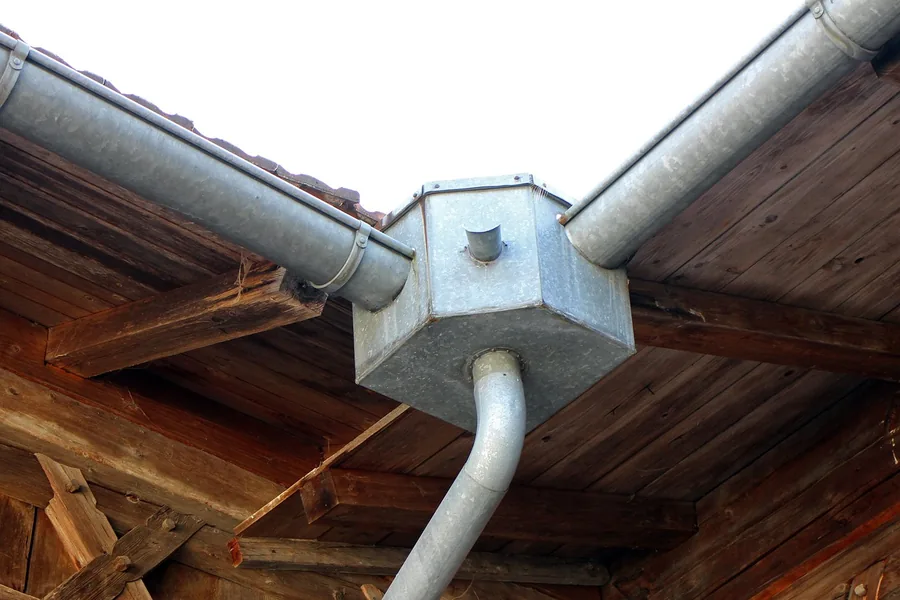
Itemised quotes
Your Leak-Repair Quote Shows
- Where the water enters, with photos
- The failed part and the repair
- Make-safe work, priced separately
- Nearby problems we noticed
- Time on site and price in rand
Quick answers
Why does it leak only in some storms?
Wind direction matters. Rain driven from one side can get under a lap or flashing that stays dry in other storms, which is a useful clue.
Can you find a leak in dry weather?
Often, yes, from the marks it leaves on timbers and from the state of the covering. Photos taken during the leak help.
Do you repair ceilings?
No, our work is the roof. We note ceiling damage so that you can arrange the repair.
Leaks That Only Appear in Certain Storms
Some leaks only show when rain comes from one direction or when a storm brings wind as well as water. That usually points to a gap at a ridge, a flashing or a valley that only takes water under pressure. If yours is like that, note the date, the wind direction if you know it and where the drip appeared. Those details shorten the search and make the repair more likely to hold.

Roof leak repairs
Request a Leak-Repair Quote
Tell us your suburb, the roof type and where the water appears. If it is leaking now, say so.
Request a leak-repair quote →