Every roof can be repaired for a while. The difficult question is when to stop. These are the signs a roof needs replacing in Johannesburg rather than another round of repairs, how to weigh them up, and what a written replacement quote should set out before you commit.
Sign 1: Leaks Keep Appearing in New Places
One leak, found and fixed, is a repair. A roof that develops a new leak every storm season, each in a different spot, is telling you something about its overall condition. When the covering, fixings or underlay are failing across the roof, fixing one spot only moves the problem to the next weakest point.
Sign 2: Tiles Break When They Are Touched
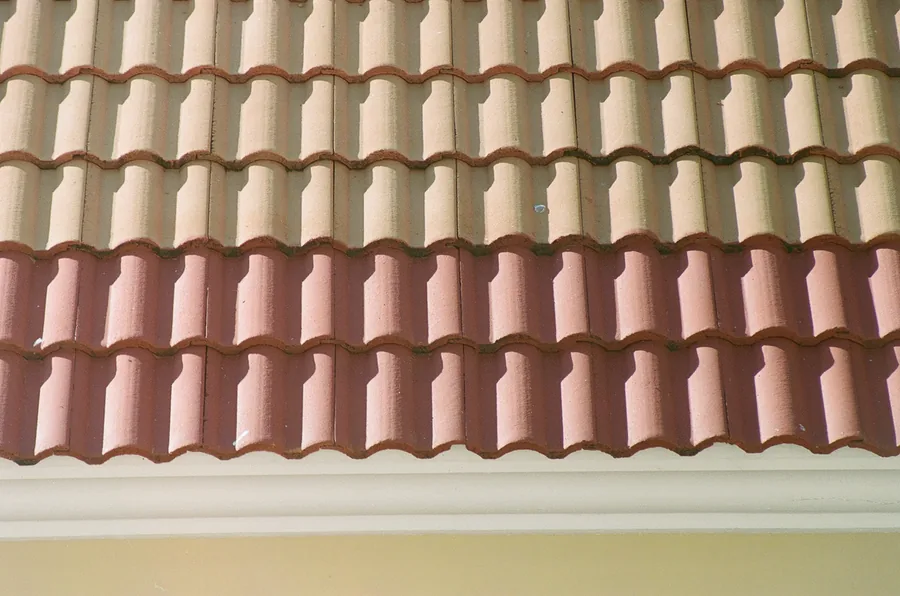
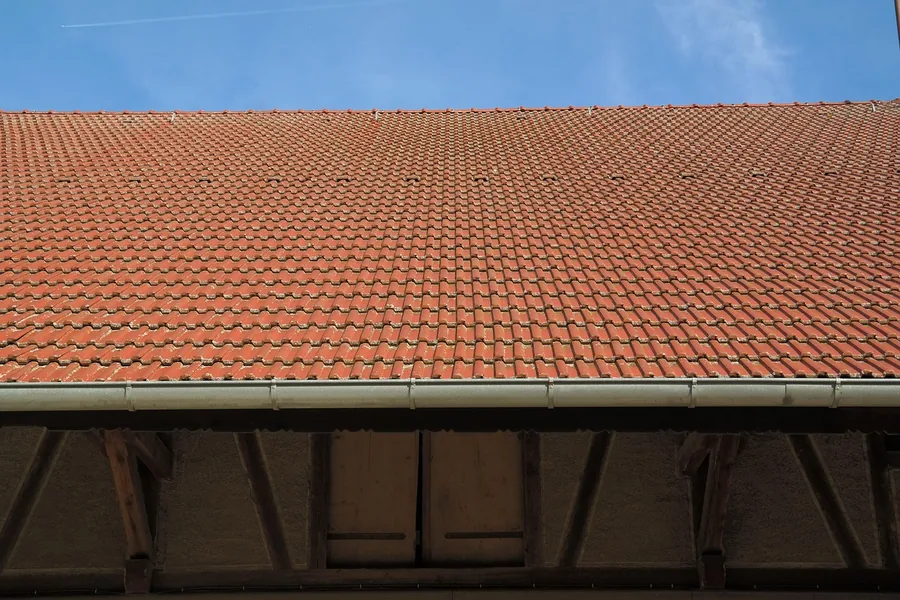
Concrete and clay tiles weaken with age. On an older roof, tiles may crack under a roofer’s weight or crumble at the edges when they are lifted. If replacing a few broken tiles causes more breakages around them, repairs become slow, expensive and risky. Johannesburg hail adds to this: tiles that have been hit by several storms over the years can be full of hairline cracks.
Sign 3: Rust Through the Sheets
On IBR and corrugated roofs, surface rust can sometimes be dealt with, but rust that has eaten through the pans or along the laps cannot. When many sheets are rusting through, especially along the bottom edge and at the laps, replacing the sheeting is usually better value than patching individual holes.
Sign 4: Sagging or Uneven Roof Lines
Stand back and look along the ridge and the edges of the roof. A ridge that dips, or a roof slope that looks wavy, can mean problems with the timbers underneath: rot from long-term leaks, undersized members or roof timbers that have moved. This needs a careful look from inside the roof space. A new covering on a weak structure will not last, and in some cases the structure itself needs work first.
Sign 5: The Underlay Has Failed
Many tiled roofs have an underlay beneath the tiles. If it has perished, torn or sagged between rafters, water that gets past the tiles in wind-driven rain has nothing to stop it. Replacing underlay means lifting the tiles, so it is usually done as part of a re-roof rather than a repair.
Sign 6: Repairs Cost More Every Year
Keep a record of what you spend on the roof. If the bills are rising year on year, and each repair is followed by another, it is worth comparing the total with the cost of replacement. In a sectional-title complex, trustees face the same question across several roofs, and a phased replacement programme may be easier to fund than ongoing leak repairs.
When a Repair Is Still the Right Answer
Replacement is not always necessary. If problems are limited to one area, such as a valley, a section of ridge or a sheeted lean-to, and the rest of the roof is sound, a targeted repair is usually the sensible choice. Damage from a single hailstorm on an otherwise healthy roof is often repairable too. The point of an inspection is to tell the two situations apart honestly.
Partial Replacement
Sometimes the answer is in between. One slope may face the worst of the weather and be in much poorer condition than the rest. A carport or patio roof may be failing while the main roof is fine. Replacing one section can be a reasonable step, as long as the new and old parts are joined properly.
What a Replacement Quote Should Set Out
- Photos and findings that explain why replacement is recommended.
- The condition of the roof timbers and any structural work needed.
- The new covering proposed, including tile or sheet profile.
- Underlay, battens, ridges, valleys, flashings, gutters and fascias, each listed.
- Access equipment, rubble removal and site protection.
- How the roof will be kept weathertight during the work if a storm comes.
- Any approvals needed from the council, the estate or the body corporate.
Timing
Johannesburg’s dry months, roughly from late autumn to early spring, are the easiest time for replacement work because the roof can be opened with less risk of rain. Replacements can be done in summer, but they need careful planning around the afternoon storms.
Living in the House During Replacement
Most Johannesburg families stay at home while their roof is replaced. The work is normally done section by section, so that only part of the roof is open at a time, and each section is closed before the team leaves for the day. Agree in advance where materials and skips will stand, how driveway access will work and how the site will be cleaned each day. In a complex, the managing agent should tell residents about the programme before work starts.
Getting a Second Opinion
Replacing a roof is a large decision, and it is reasonable to ask for more than one assessment. Compare quotes on the same basis: the same scope, the same covering and the same treatment of timbers, underlay and edges. A quote that looks much cheaper may simply leave something out. Ask each roofer to show you photos of the problems they found.
See roof replacement for how we approach the work, or send us photos of your roof for a first opinion. We assess roofs across Johannesburg and the northern suburbs.