Johannesburg roof replacement
Roof Replacement and Re-Roofing in Johannesburg
Roof replacement in Johannesburg for homes and complexes whose tiles or sheeting can no longer be repaired sensibly, and new pitched roofs where extensions join existing houses.
A re-roof is a big decision. We explain why we recommend one, and what it involves, before you commit.
Signs That a Repair Will Not Hold
Many of Johannesburg’s established suburbs were built decades ago, and some roofs there are on their original covering. Hail has hit them many times, and they have been patched by several different people. At some point repairs stop buying reliability. The signs we look for are:
- Leaks that move around the roof from one season to the next.
- Concrete tiles that are soft, porous and crack underfoot.
- Sheeting with rust breaking through along most laps.
- Rotten battens or purlins, found when tiles or sheets are lifted.
- No underlay beneath the tiles, or underlay that has crumbled.
How a Re-Roof Is Done
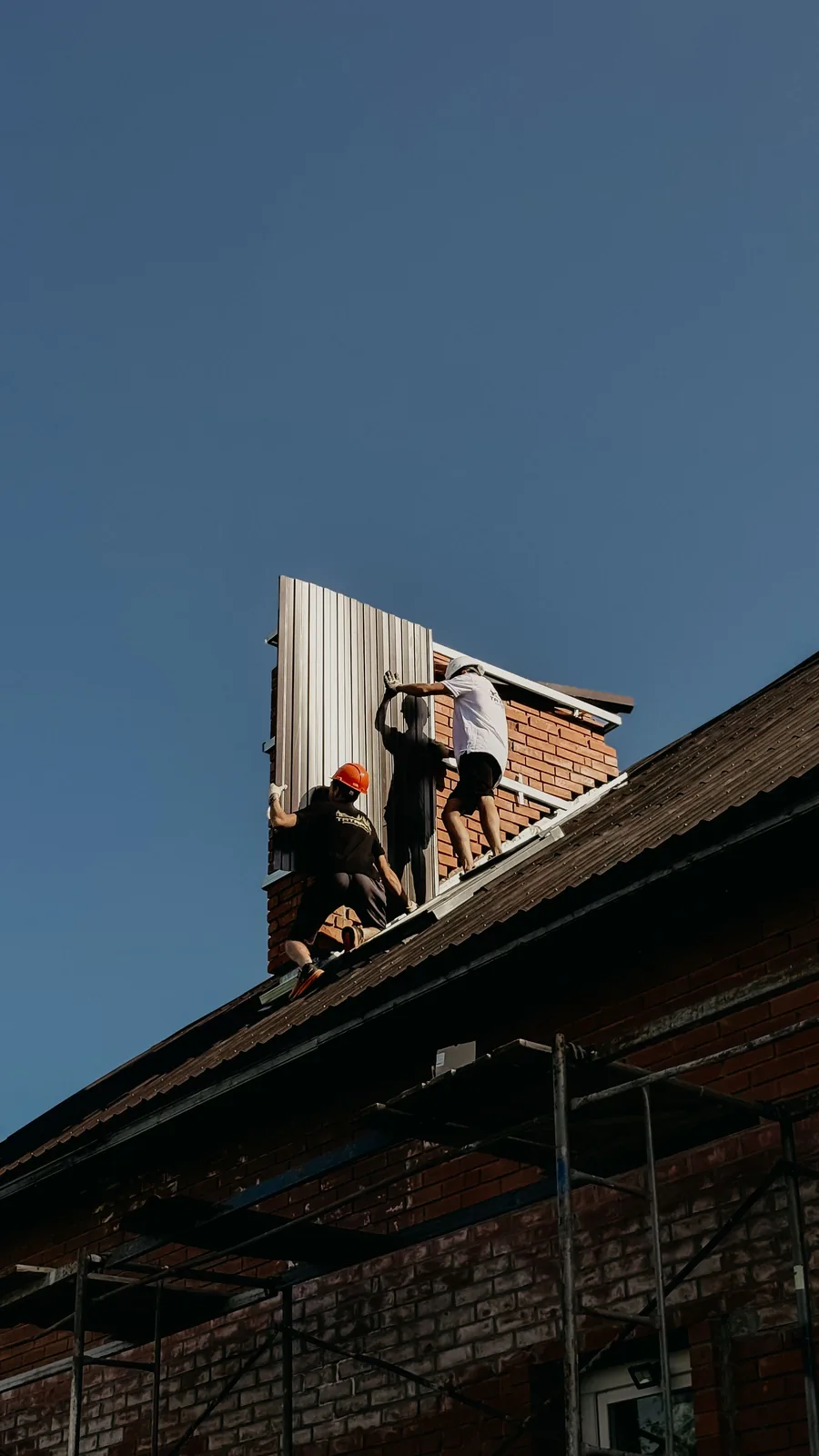
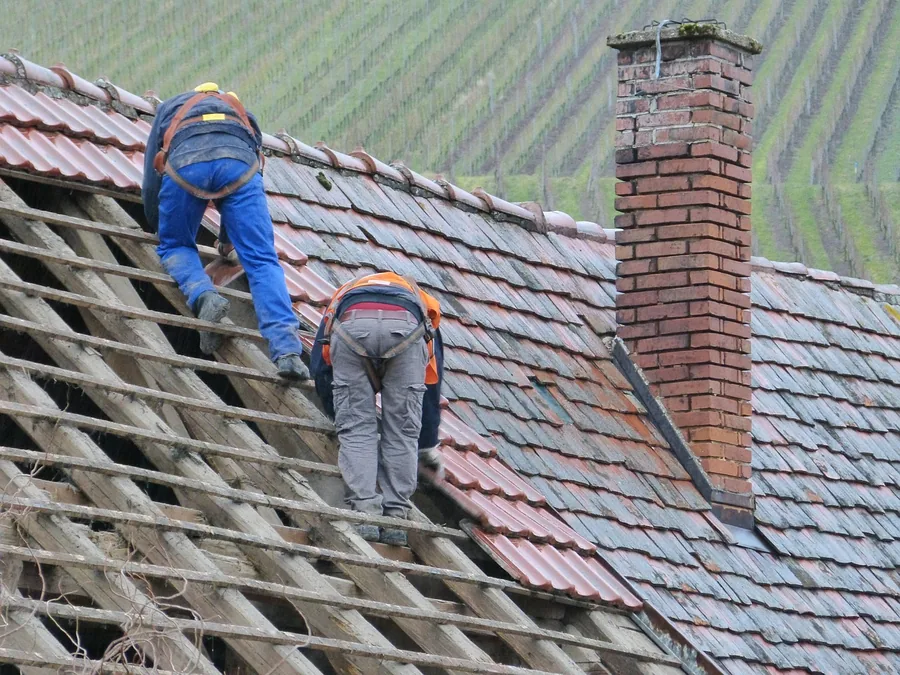
We work in sections, so the house is never fully open, and each section is closed up before the afternoon. The old covering comes off and is removed from site. With the timbers exposed, we check battens, purlins and the parts of the trusses we can see; if extra timber work is needed, we show you and quote it before going ahead.
Then come the new underlay where required, the new tiles or sheets, ridges and hips, valleys, flashings at every wall and chimney, and the eaves and verges. A re-roof is the chance to put right every detail, not only the surface.
New Roofs Where Extensions Meet the House
Johannesburg homes are often extended: a new bedroom wing, a double garage, an enclosed patio. The new roof has to meet the old one without creating a leak. Valleys between old and new, flashings where a lean-to meets a wall, and box gutters between two roofs all need careful detailing. We build to your architect’s approved drawings and pay particular attention to these junctions.
Coverings We Install
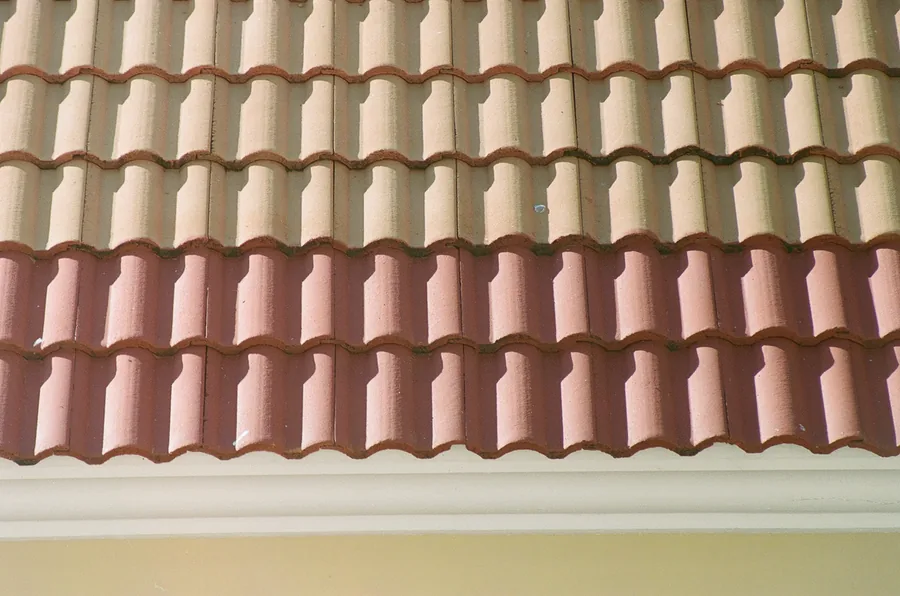
We install concrete tiles, clay tiles, IBR sheeting and corrugated sheeting on pitched roofs. The right choice depends on the roof pitch, the strength of the structure, the look you want, any estate or complex rules, and budget. Moving from sheeting to tiles adds a lot of weight, so the trusses usually need an engineer’s check first.
Complexes and Occupied Buildings
Re-roofing a block in a sectional-title complex means working around residents. We agree a programme with the trustees or managing agent, phase the work block by block, and keep access routes clear and safe.
Not sure you need a new roof yet? Start with roof repairs or tiled roof repairs.
Itemised quotes
Your Re-Roofing Quote Shows
- Why re-roofing is recommended
- Strip-out and disposal
- Timber checks, extra work quoted first
- Underlay, covering, profile and colour
- Ridges, valleys, flashings and edges
- Programme and price in rand
Quick answers
Can the roof be done in phases?
Yes. On large roofs or complexes, a phased re-roof spreads the work and the cost.
Do I need approval to re-roof?
Like-for-like replacement often does not, but a change of covering, pitch or shape may. Estates and complexes may have their own rules too.
What happens if it rains during the work?
Each section is closed before we leave for the day, and we plan around the forecast.
Questions to Ask Before You Replace a Roof
- Is the problem the covering, the timber underneath, or both?
- Could part of the roof be replaced rather than all of it?
- Will the new covering suit the existing structure, or does the structure need work first?
- Do the plans need to go to the council or the estate or complex for approval?
- How long will the roof be open, and how is it protected if a storm comes in?
We answer these during the site visit and set the answers out in writing with the quote.
Re-roofing
Request a Re-Roofing Quote
Send photos of the roof and tell us its history: how old it is, and what has been repaired before.
Request a re-roofing quote →